冷戰期間,民主國家不僅在國際軍事與政治上以美國馬首是瞻,美國文化也成為各國競相學習仿效的對象,美國研究也成為新興學術領域。曾任外交部長的王世杰,深切體會到美國對於世界的影響力,除積極推動臺美之間的科學學術合作,為深化國內學者對美國之研究,尤其致力於推動美國研究中心的成立。
1969年6月第三屆中美人文社會科學合作委員會聯席會議,研議籌設「美國研究中心」。雖然院內行政單位認為設立跨學科的研究單位於法無據,王世杰院長鑒於美國文化研究之重要,倡議應當研究美國,12月毅然成立「美國研究中心」籌備小組,由劉崇鋐(美國史)、馬漢寶(法學)、許倬雲(史學)、朱立民(美國文學)、王紀五(國際法)組成,後加入李其泰、朱建民、張忠棟、朱炎、李亦園、李志鍾等人。1970年邀請陳奇祿出任籌備小組召集人。
卸任院長職務後,繼續爭取經費興建「美國研究中心」大樓,由王秋華建築師設計(王世杰次女,2019年榮獲第21屆國家文藝獎),1971年9月動土,1972年9月完工正式遷入。該棟三層樓建築外觀極具特色,2008年獲選「臺灣戰後第一代建築」30棟經典建築之一。
王院長特別關心「美國研究中心」。《王世杰日記》(1971年)曾提及「頗盼能于一年內完成一良善之圖書館與研究室及禮堂,為余對中研院之一個小貢獻」,因此除向亞洲協會募書外,同年指示長子王紀五交涉美國駐印度新聞處,獲2萬冊書籍贈「美國研究中心」。
1972年3月12日,親自主持「美國研究中心」審議委員會,決議中美人文社會科學合作委員會之「美國研究中心」正式成立,隸屬中央研究院,陳奇祿為首任中心主任。
《王世杰日記》(1973年)曾提及「余深慮此一機構在經費及人事方面不能充分負其研究及培植專才之任務,故不能不有所參預而予以支持」。1974年建議將「美國研究中心」改為「美國文化研究所」以符合組織法規定。
1974年7月,「美國研究中心」預算移轄於中央研究院,正式更名為「美國文化研究所」,成為中央研究院第十個研究所。陳奇祿任首任所長。1991年8月3日,「美國文化研究所」為因應歐洲研究之需,更名為「歐美研究所」。
During the Cold War, most democratic countries followed the military and political leadership of the United States internationally, and endeavored to better understand the cultures of the ascendant power. The United States thus come to the fore as the central research object of an emerging academic field. As a former Minister of Foreign Affairs, Wang Shih-chieh understood how deeply the US impacted the world. Wang actively promoted academic scientific cooperation between the Republic of China and the United States. To deepen the domestic scholars’ research on American Studies, Wang was particularly devoted to establishing the Center for American Studies.
This Center was first proposed at the third Conference on Sino-American Cooperation in Humanities and Social Sciences, in June 1969. In view of the importance of American cultural studies, Wang advocated that the United States should be studied. In December, he formed the Center for American Studies preparatory committee. In 1970, he invited Chen Chi-lu to be the convener of the preparatory group.
After Wang’s retirement, he continued striving to raise funds for building the Center for American Studies. The building was designed by architect Wang Chiu-hwa (Wang Shih-chieh’s second daughter, and winner of the 21st National Literature and Art Award in 2019); the groundbreaking ceremony was held in September 1971. The building was completed in September 1972 and the Center was officially opened. The three-story building has a very distinctive appearance; in 2008, it was selected as one of 30 buildings classically representing Taiwan’s First Generation of Post-War Architecture.
Wang Shih-chieh paid special attention to the establishment of the Center for American Studies. In an entry for 1971, The Diary of Wang Shih-chieh mentions he “hope[d] to complete a good library, a research room, and an auditorium within a year, as a small contribution to Academia Sinica”. Therefore, in addition to collecting books from the Asia Society, he instructed his eldest son Wang Chi-wu to negotiate with the US Information Service in India that same year to obtain 20,000 books for the Center for American Studies.
On March 12, 1972, he personally presided over the deliberative committee of the Center for American Studies, which resolved to formally establish the Center for American Studies under Academia Sinica, and with Chen Chi-lu as the Center’s first director.
A 1973 entry from The Diary of Wang Shih-chieh mentions, “I am deeply concerned that this institution is not adequately funded and staffed to carry out its mission of research and cultivation of expertise, so I cannot but support it and be involved.” In 1974, it was proposed that the name of the “Center for American Studies” be changed to the “Institute of American Culture Studies” in order to comply with the provisions of the Organization Act.
In July 1974, budgeting for the Center for American Studies was transferred to Academia Sinica, and the Center was formally renamed the Institute of American Culture Studies, making it the tenth institute of Academia Sinica. Chen Chi-lu was appointed as its first director. On August 3, 1991, in response to the need for European studies, the Institute of American Culture Studies was renamed the Institute of European and American Studies.
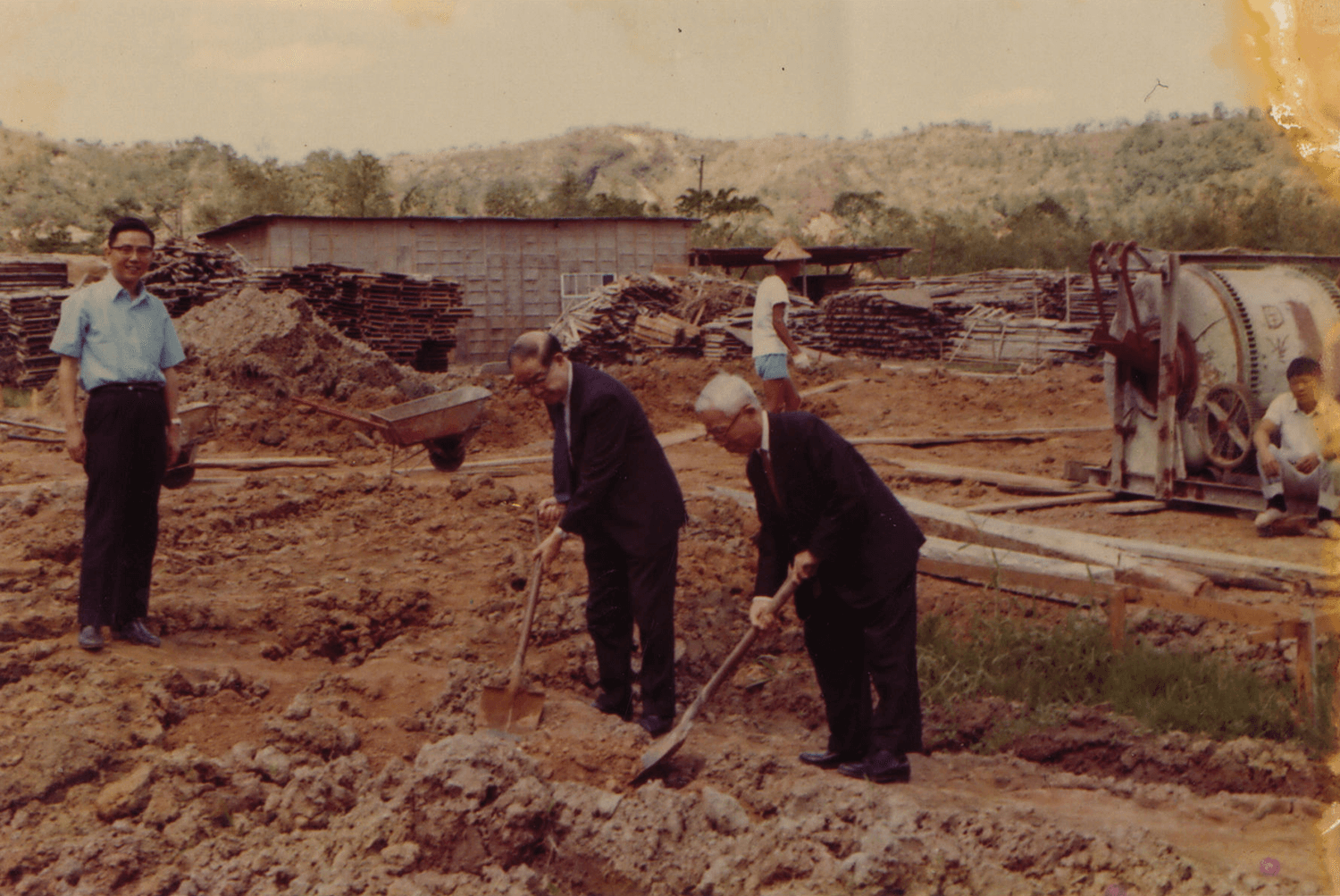
Chien Shih-liang (the second from left) and Wang Shih-chieh (third from left) at the groundbreaking for the Center for American Studies, September 15, 1971. (Courtesy Wang Chiu-hwa.)
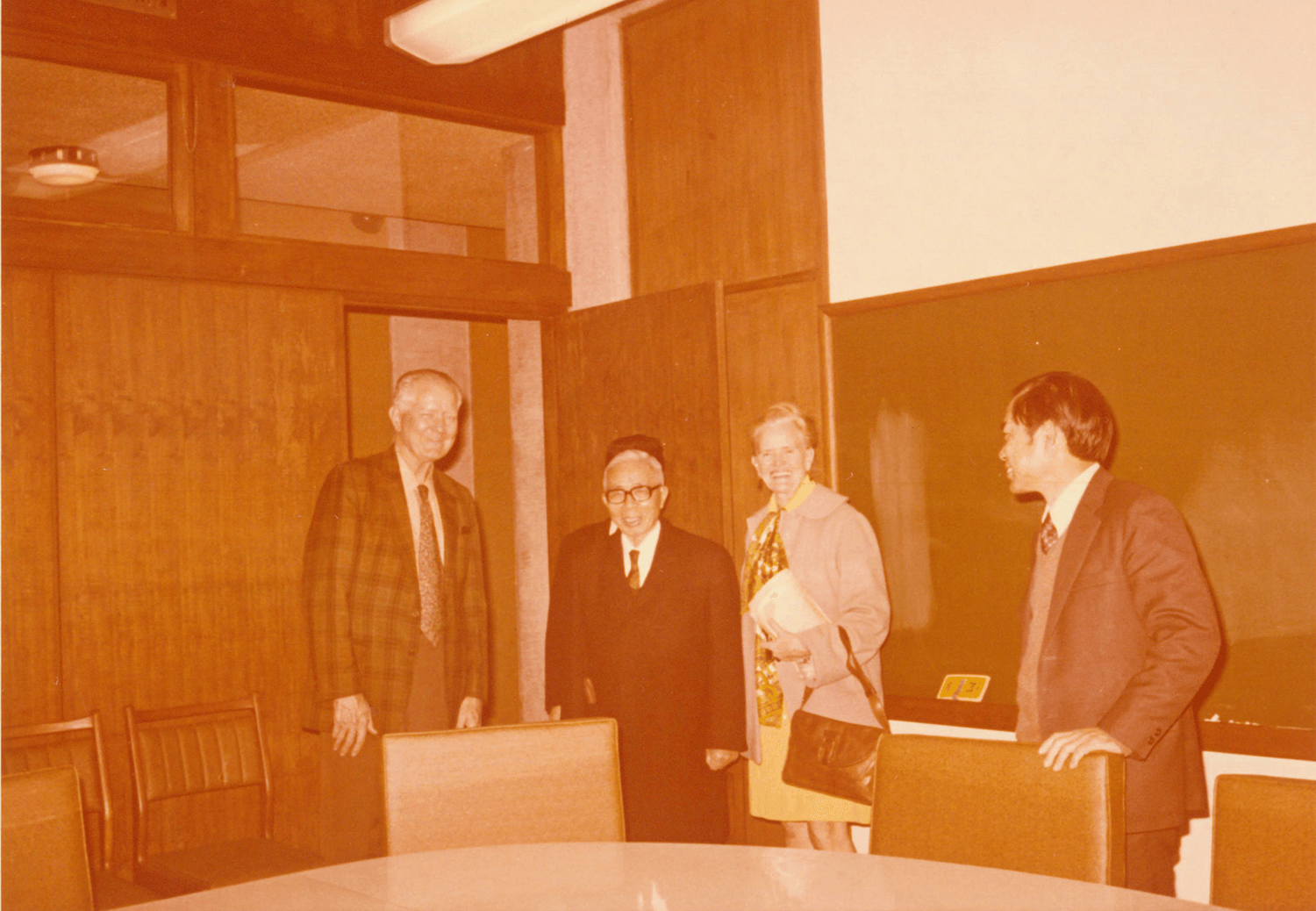
Everett. F. Drumright (former US Ambassador to the Republic of China, first from left), Wang Shih-chieh (second from left), and Chen Chi-lu (convener of the Institute of American Culture Studies’ preparatory committee, right) on September 15, 1971. (Courtesy Wang Chiu-hwa.)
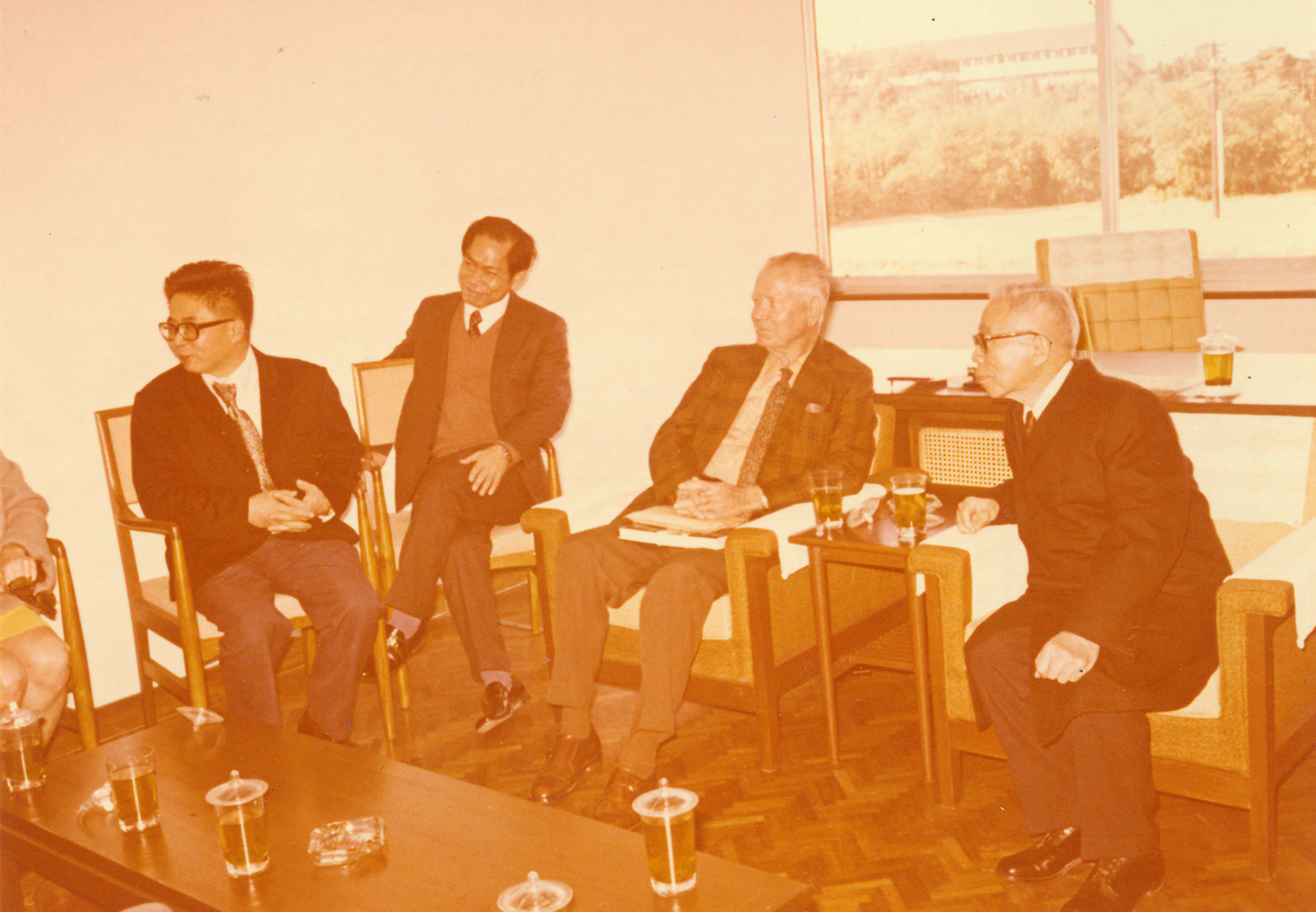
Everett F. Drumright’s visit on September 15, 1971. From left to right: Wang Chi-wu, Chen Chi-lu, Drumright, and Wang Shih-chieh. (Courtesy Wang Chiu-hwa.)
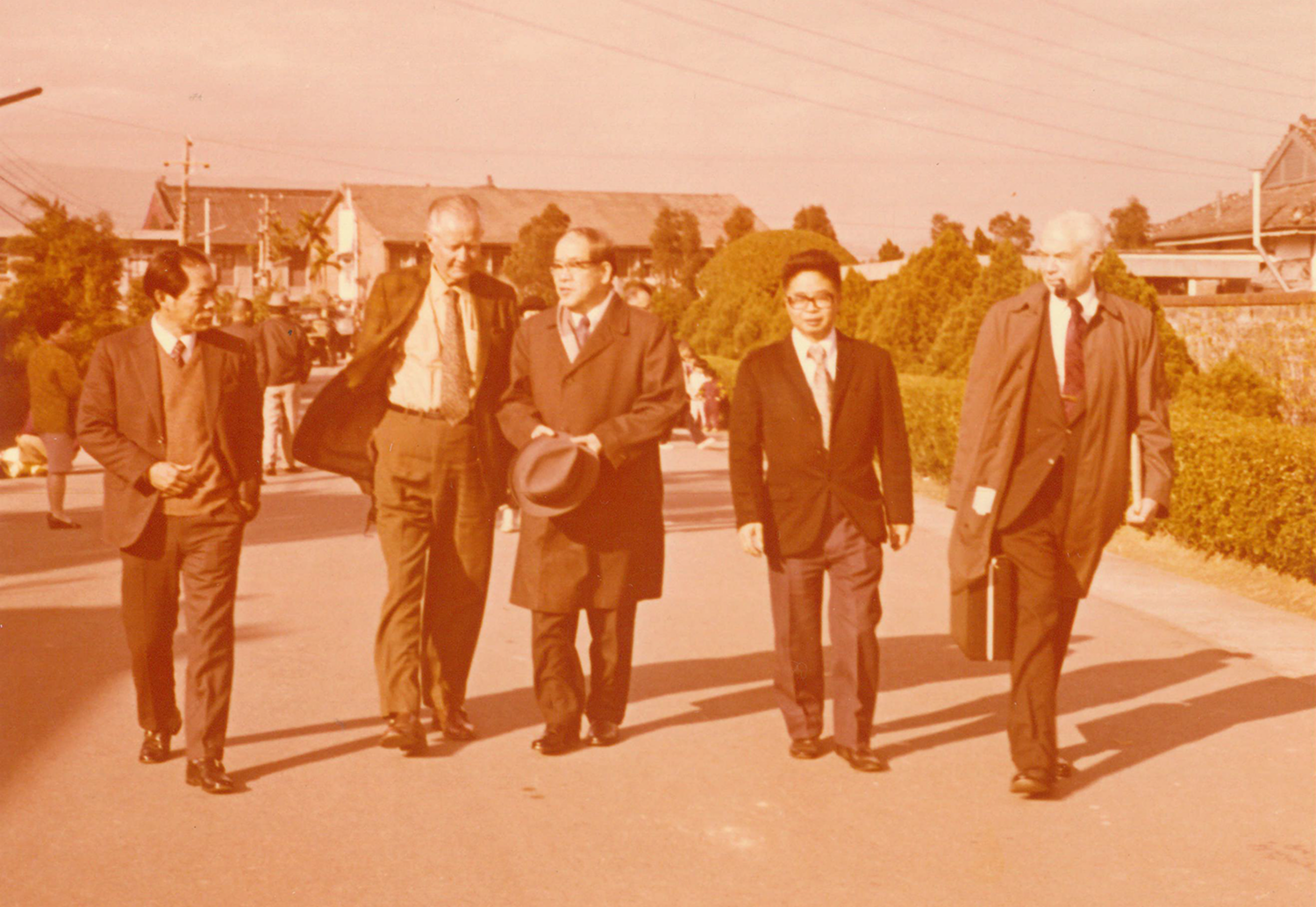
Everett F. Drumright’s visit on September 15, 1971. From left to right: Chen Chi-lu, Drumright, Chien Shih-liang, and Wang Chi-wu. (Courtesy Institute of European and American Studies.)
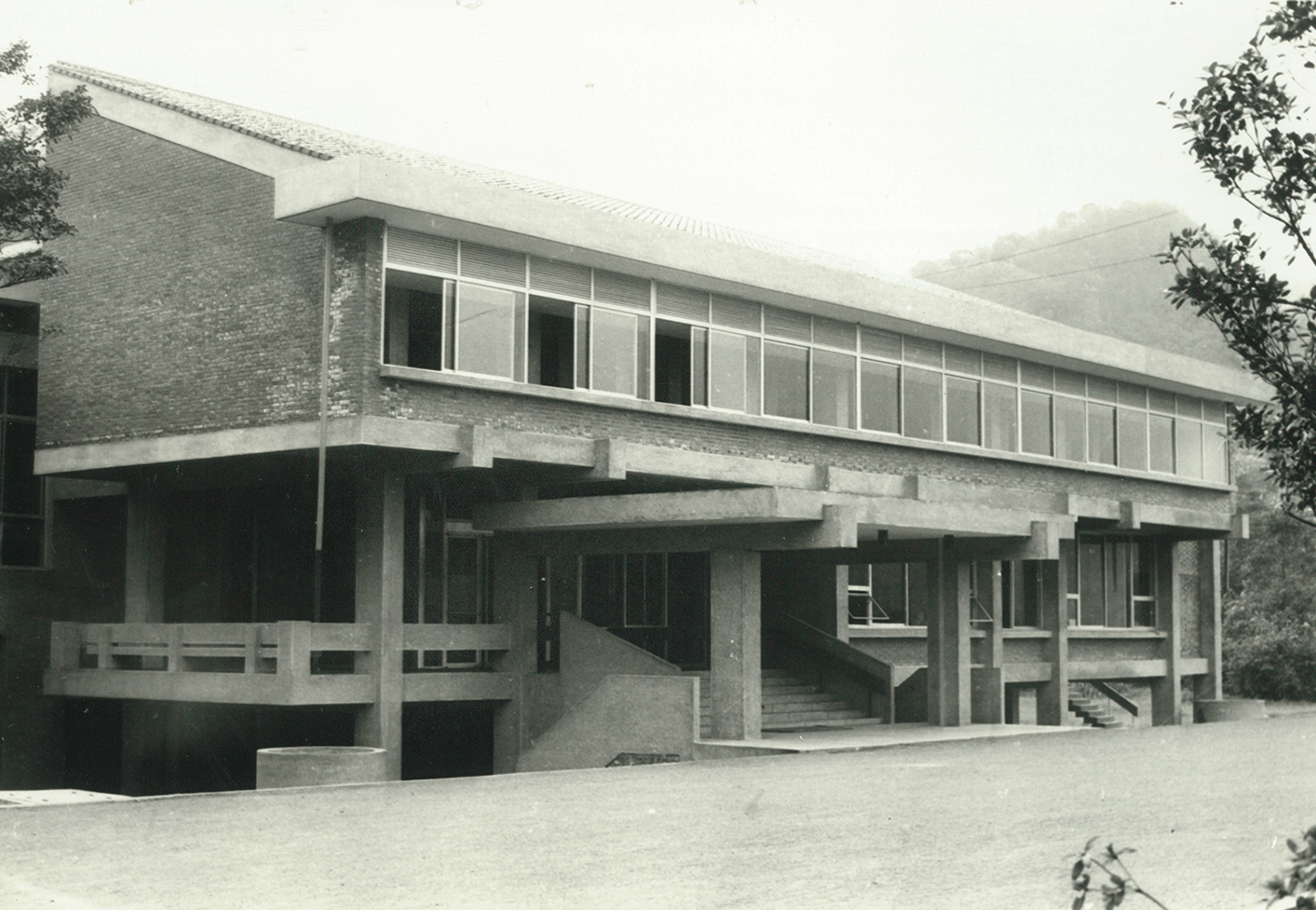
The building of the Center for American Studies (now the Library of IEAS), completed in September 1972. (Courtesy Institute of European and American Studies.)